
An ex of mine has dementia. Not that we’ve kept in touch. Nor has my ex built up a web presence. But Google and ye shall find. Because marrying a writer can compromise your privacy. Especially if that writer blogs.
My heart goes out to my ex’s partner and full-time carer. Yet I hesitate to leave any comment. Even if my ex has long since forgotten me, the spouse (whom my ex increasingly fails to recognise) may have heard strange or dire things. And it’s enough just to have found a frank account of facts my once independent ex might’ve preferred held back.
Social isolation is known to aggravate dementia. And it sounds as if my ex lost precious cognitive ground to the pandemic, despite living in a US state with fewer restrictions. Yet I saw signs of decline before our rift 22 years ago. Signs a new partner might miss. Someone who sweeps you off your feet can seem quite lucid if all you know about their past is the stories they repeat.
That relationship, my first, was deeply formative for me. And though its end was fraught, we stayed friends. Despite stark differences and a major age gap, we’d always lived for art and loved the wild. Some of our best conversations unfolded on long hikes. Not so, on the phone. My hyperthyroidal ex, then 65 and single, would whinge at length about personal frustrations and injustices, then end the call without having thought to ask how I was. Even allowing for any effects of Graves’ disease or its treatment, I began to feel taken for granted. My ex, whose recall of events had often been selective, now seemed to forget whatever I said, such as routine days and times I was free. And once when I wasn’t home, my ex rang my partner’s mobile. I signalled to my partner to say I wasn’t there. Yet my ex expressed indignant disbelief.
So when we next spoke, instead of just listening, I shared my feelings about our dynamic. ‘I’ll have to think about it,’ said my ex, but promised to call me back that week. No call ever came.
Two years later, photographing a band on a US tour, my ex met an American, got married and emigrated. Not that I knew. Until my partner chanced on a social media reference. Almost a decade had gone. What harm could sending a short email do? Maybe wedded bliss had healed old wounds. Yet my ex still seemed angry, as well as confused re our last, unfinished exchange, ascribing a totally garbled version of my words to my partner.
Dementia frames this misunderstanding in a different light.
After my father died, my mother went downhill. At first she kept up normal activities, but her will wasn’t in it. No longer a wife, she’d lost her sense of identity and lacked the resilience for reinvention. So she stifled her grief and sought solace in self-pity. Studies cite narcissism as a risk factor for Alzheimer’s, and though her diagnosis was inconclusive – ‘dementia’, like ‘schizophrenia’, lends itself to loose usage – she suddenly felt forsaken and couldn’t adjust.
I wouldn’t call my mother a pathological narcissist, though she ticked all the boxes on and off. Nor could I say my ex had hardcore NPD full-time. Yet each felt superior and expected special treatment. Each craved attention yet feared intimacy, blamed and shamed in self-defence, and felt challenged by others’ realities. For me to share my feelings was a deal-breaker. Others’ points of view can threaten someone who acts better-than. So how might it affect my ex, a photographer since the ’70s (if often creatively blocked), to see the masses taking photos nonstop? My mother, a wife for nearly five decades, bemoaned her new life alone. Did my ex still feel unique in a sea of selfie-snapping phones? Irreversible loss of an identity can derail us. Yet reorientation is possible. Why is dementia spiralling out of control globally?
Our capitalist system – or the spirit of our age, since politics and economics aren’t isolated phenomena – incentivises narcissistic behaviour. Failure to empathise with others of our own species, let alone with nonhuman beings, isn’t peculiar to capitalism. But our system thrives on maximising and exploiting this lack. So protesters face police brutality for opposing genocide. Meanwhile, sensitivity editors murder old and new texts for the benefit of readers who find certain words offensive.
If your life purpose is to dote on your partner and they die first, you can either slide into nostalgia or forge a new purpose. And learning new things promotes the growth of neural pathways in the brain, so, despite shattering losses, adaptation is possible as we age. But in our ageist culture, prescription meds and aged-care ghettos substitute community engagement. The ageing body is progressively colonised by a hypervigilant medical system that monitors every blip and slip. As science learns how to extend life, putting quantity before quality, death is deemed outdated and banished to the shadows. Yet like all we repress, alone or together, death returns via projection: new diseases to vanquish; more disorders to manage.
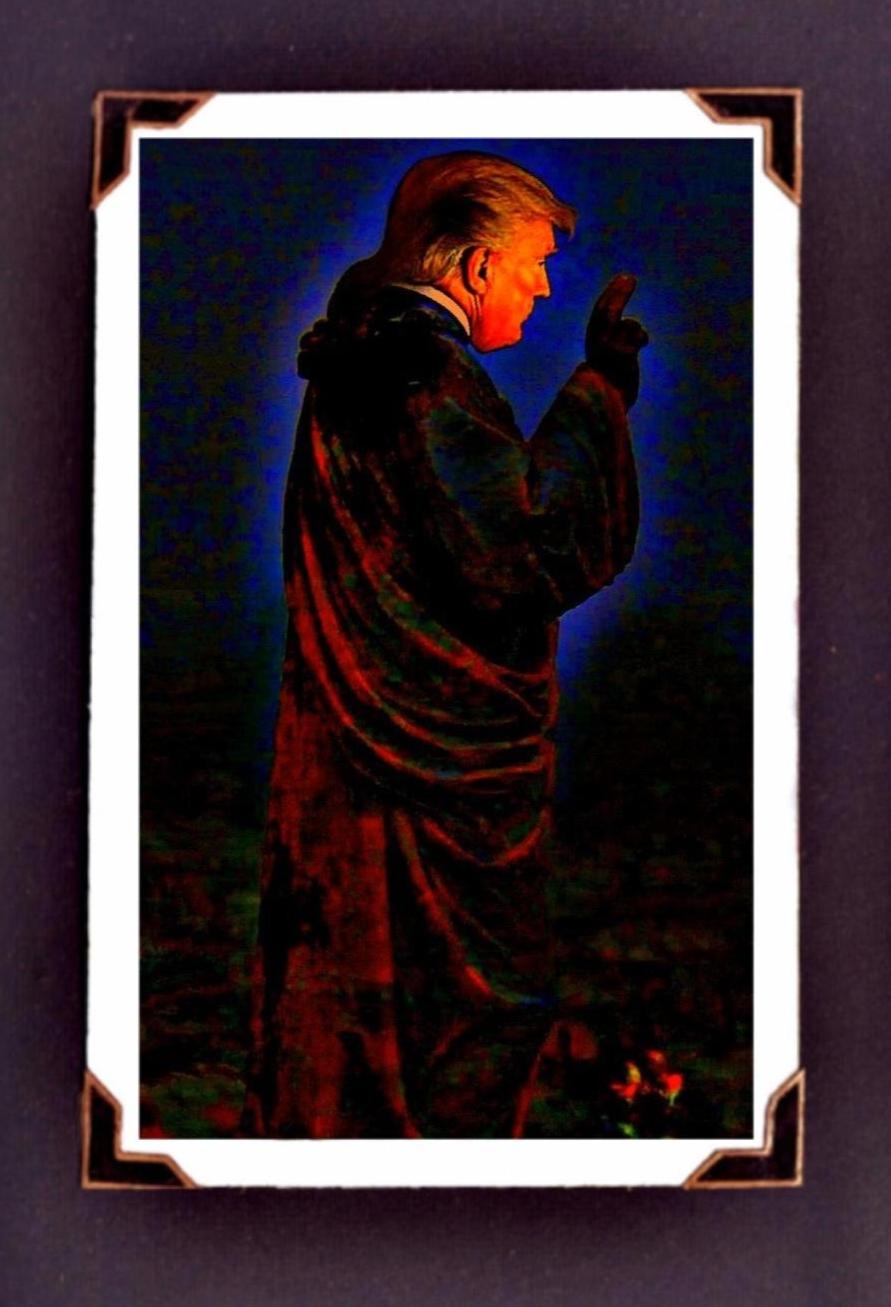
So here we all are (more or less) on our ravaged planet, having reached the stage where a cognitively shambling old white man can be howled out of office to make way for another, less stable, version of same. How can a randomly ranting loose cannon speak to the hopes and dreams of millions? What does this tell the West about its state of decline? Like the predatory capitalism he revels in, Trump, whose dad died of Alzheimer’s, keeps confounding critics with his resilience, and vindicating the faith of fans, including the world’s richest man. How many on the Left imagined Trump could stage a comeback? Not those who underestimate the heft of Elon Musk’s investment in the second coming of Orange Jesus. Because though Twitter cost Musk a mint, and has lost scads of advertisers, he aspires to political influence.
Narcissism and depression commonly come together. And Musk, who admits to the latter and who, like his new (and fickle) bestie, is widely viewed as a narcissist, owes his sway not just to his wealth but the way his frailties mirror the zeitgeist. Love or hate him, the masses relate; ditto, Trump, the undeflatable. And narcissism, like depression, rates as a risk factor for dementia. (My ex and my mother, both prone to emotional lows, weren’t special but average in that way.)
When I last googled my ex, more closely than before, up came clues from fifteen years ago. Clearly, my ex had long since set sail from the shores of sense: posting off-topic comments on an old colleague’s blog as if caught in a time warp. And the generous response was apparently lost on my ex, whose attention span had by then shrunk to counterproductive dimensions. My conciliatory email wouldn’t have been understood, let alone welcome.
And yet much online discourse comes across as barely coherent. Are the participants demented? Yes, in the original sense of driven out of one’s mind. Which describes what digital culture is doing: forcing us out so it can colonise our brain space and harness it for financial gain. And digital invasion, much like other kinds, can inflict new addictions and diseases, inequalities, erasure of culture and enslavement.
 observer of times